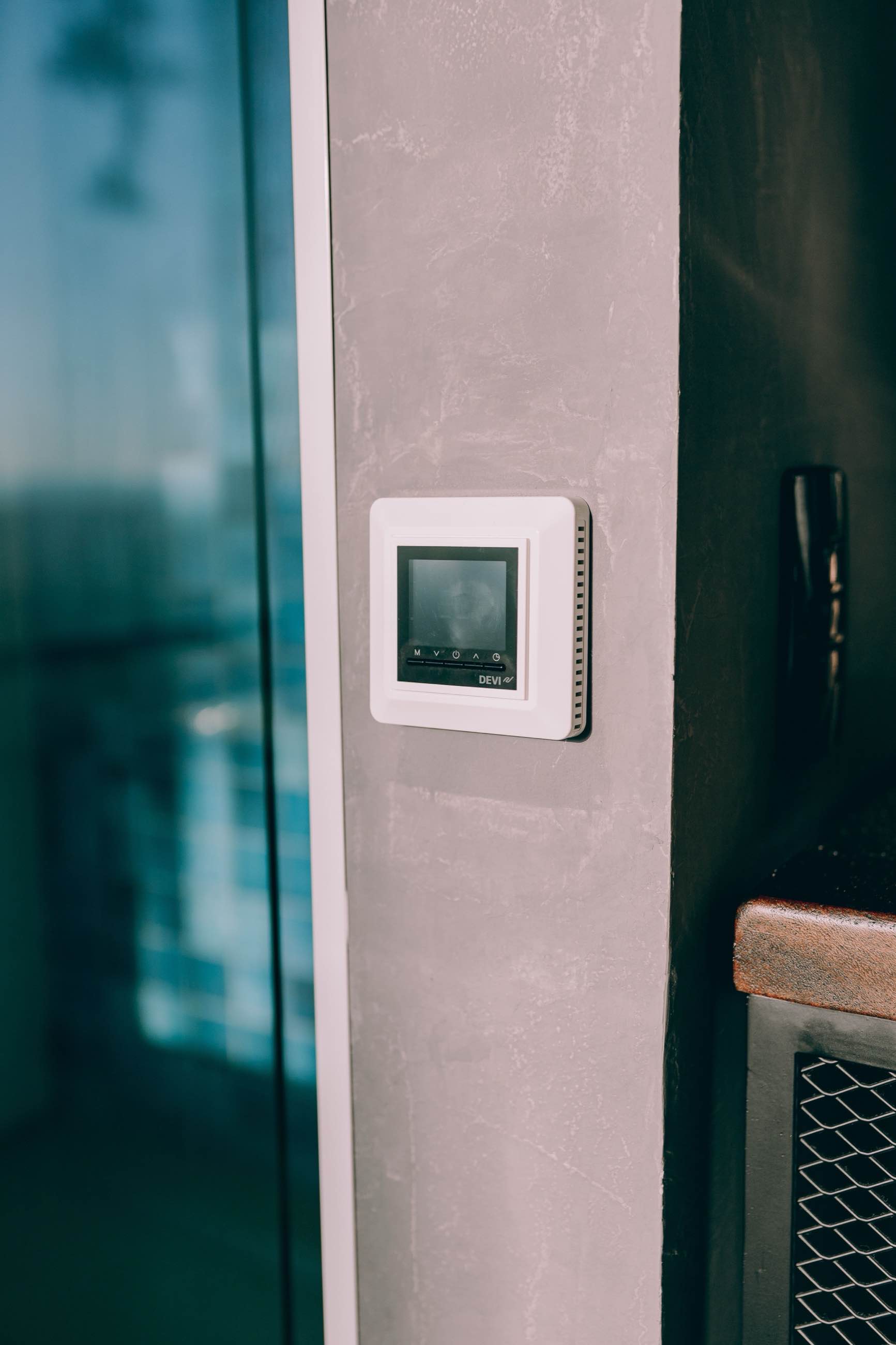
Residential heating & cooling · Metro Detroit
Smart Thermostats and Whole-Home Comfort Control
Thermostats matched to the equipment they control, with sensors and zoning considered across the home.
Overview
Thermostats & Home Comfort, Explained.
A thermostat is the only part of the heating and cooling system most people touch, and it shapes how every other component behaves. A two-stage furnace, variable-speed blower or dual-fuel heat pump only performs as designed when the control understands it. A thermostat chosen for its screen alone can leave a capable system running like a basic one.
Paramount treats a thermostat upgrade as part of the system, not an accessory. The existing equipment, wiring and any zoning are reviewed first, so the new control supports staging, auxiliary heat, humidity and ventilation correctly. Remote sensors, schedules and app access are then set up around how your household actually uses the home, rather than left at factory defaults. A simple question about a thermostat that will not hold its schedule is just as welcome as a full upgrade.
The visit
Thermostats & Home Comfort: What the Visit Involves
- 01
Checking compatibility
The equipment and wiring at both the thermostat and the furnace or air handler are inspected. Whether a common wire is available, and which terminals the system requires, determines which thermostats will work properly.
- 02
Configuring the system type
The thermostat is configured for the actual equipment: single or multi-stage heating and cooling, heat pump with auxiliary or dual-fuel backup, and any humidifier or ventilation accessories it will control.
- 03
Sensor placement
Where remote sensors are used, they are placed in the rooms that matter most at different times of day, so bedrooms can lead at night and main living spaces during the day.
- 04
Schedules and a walkthrough
Schedules, setbacks and app access are set up with you, and the system is cycled through heating and cooling to confirm correct operation. You leave knowing what each setting does.
What is a C-wire, and do I need one for a smart thermostat?
The C, or common, wire provides continuous low-voltage power to the thermostat. Many smart thermostats need it to run their display and wireless connection reliably. Older systems sometimes lack one at the wall, though an unused conductor in the existing cable can often be connected. Where none is available, other wiring options exist, and these are reviewed during the compatibility check.
Why does my heat pump use auxiliary heat so often after a thermostat change?
This is a common configuration issue. If the thermostat is not set up correctly for a heat pump, it may bring on auxiliary heat too readily — during recovery from a setback, for example, or above a sensible outdoor temperature. Proper configuration of staging, lockout temperatures and recovery behavior allows the heat pump to do more of the work, with backup heat reserved for when it is needed.
Do remote room sensors really make a difference?
In many homes, yes. A thermostat mounted in a hallway measures the hallway, which may not reflect the bedrooms or the family room. Remote sensors let the system respond to the rooms you are actually using, and many thermostats can prioritize different sensors by time of day. They balance the reading but do not change how much air each room receives.
Can zoning be added to an existing duct system?
Often it can, though not every system is a good candidate. Zoning requires motorized dampers in accessible duct branches, a zone control panel and a thermostat for each zone. The equipment also needs to handle reduced airflow when only one zone calls, which works best with multi-stage or variable-speed equipment. A review of the ductwork and system determines whether zoning is practical.
Related services
Often Considered Alongside
-
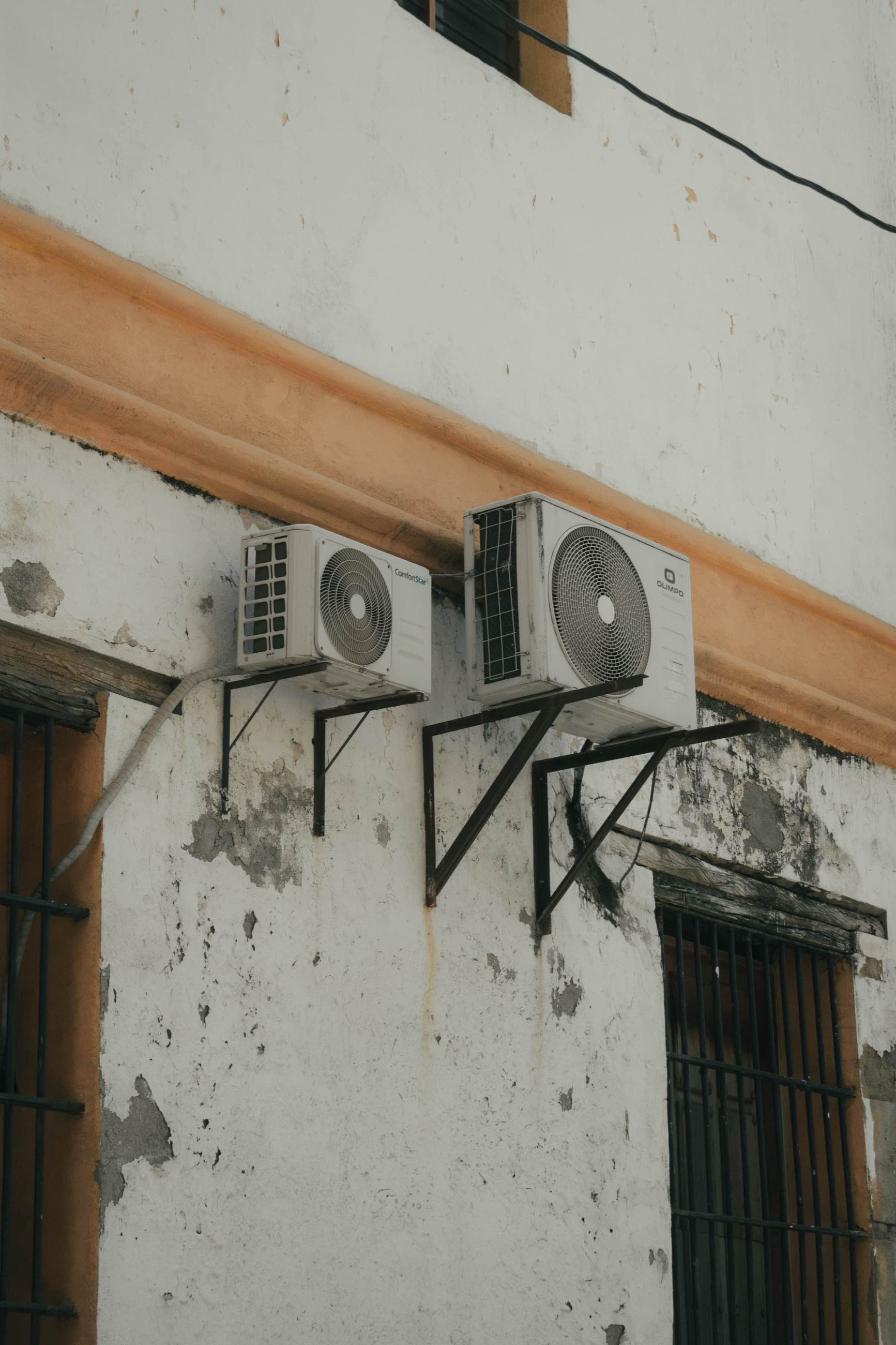
Heat Pumps
Cold-climate and dual-fuel heat pumps, explained in terms of Michigan winters rather than brochures. Explore -

Indoor Air Quality
Filtration, humidity and fresh air treated as one system, designed around the home’s existing HVAC. Explore -
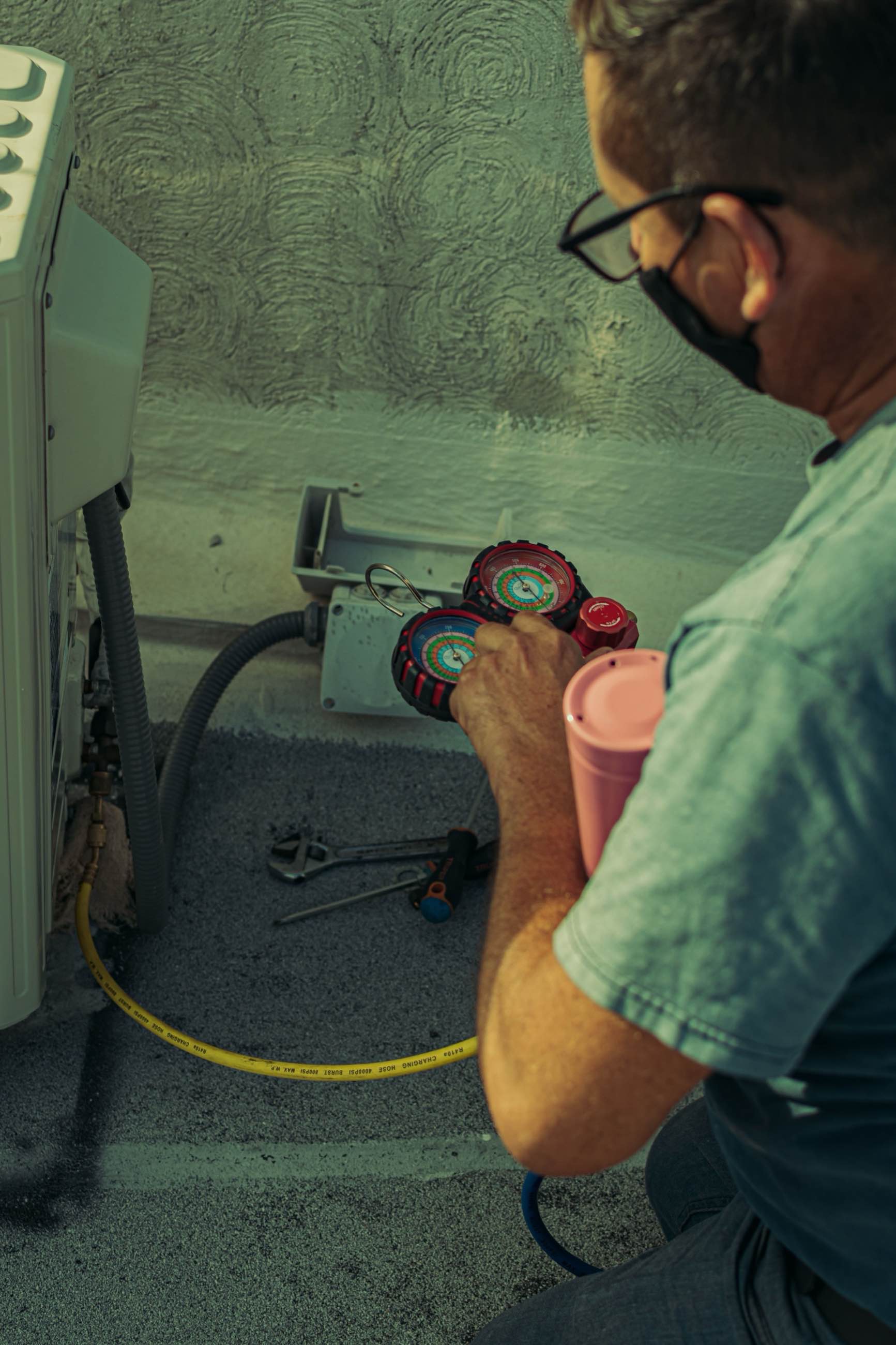
HVAC Maintenance
Seasonal visits that check the furnace before winter and the air conditioning before summer. Explore
Service areas
Thermostats & Home Comfort Across Our Priority Communities
Request a visit
Ask About Thermostats & Home Comfort.
Call and tell us what you are noticing — a furnace not heating, an AC not cooling, a thermostat or filter question, or a tune-up. Small jobs are welcome. We will help you arrange a visit.
The fastest way to reach us right now is by phone.
Call (248) 530-9315- Phone(248) 530-9315
- ServingResidential homes across Metro Detroit