
Residential heating & cooling · Metro Detroit
Indoor Air Quality: Filtration, Humidity and Fresh Air
Filtration, humidity and fresh air treated as one system, designed around the home’s existing HVAC.
Overview
Indoor Air Quality, Explained.
Indoor air quality comes down to three things: what is in the air, how much moisture it carries and how often it is exchanged with fresh air from outside. Michigan’s climate pulls each in different directions. Winter air is dry enough to crack wood floors and irritate skin; summer air can be humid enough to feel heavy indoors. Tightly built homes hold onto both.
Because the forced-air system already moves air through every room, it is usually the most effective place to improve it. Paramount looks at filtration, humidity and ventilation together, alongside the blower and ductwork that serve them. The aim is a practical plan that addresses what you actually notice — dust, dryness, odors, stuffiness — rather than a collection of devices added without regard to how the system performs. Often the first step is as simple as the right filter, changed on the right schedule.
The visit
Indoor Air Quality: What the Visit Involves
- 01
Understanding the concern
The visit starts with what you notice and where. Dust, dryness, odors and stuffiness point to different causes, and the recommendation depends on which one matters most in your home.
- 02
Reviewing the existing system
The filter rack, blower, ductwork and returns are inspected. Static pressure is measured, because a higher-efficiency filter or added equipment only helps if the system can still move the airflow it needs.
- 03
Measuring humidity
Indoor relative humidity is checked and compared with the season. Condensation patterns on windows and any signs of moisture in lower levels help determine whether the home needs moisture added, removed or both at different times of year.
- 04
A practical plan
Options are set out in order of impact, beginning with improvements to filtration and airflow. Equipment additions are explained with their maintenance needs, so you know what each requires through the year.
What MERV rating should my furnace filter be?
There is no single answer. Many residential systems handle filters in the MERV 8 to 13 range, but the right rating depends on the blower, filter cabinet size and ductwork. A thick, deep-pleated media filter can offer higher filtration with less airflow resistance than a dense one-inch filter. Static pressure measurements help confirm what a particular system can accommodate without reducing airflow.
What indoor humidity should I aim for in winter?
Comfortable winter humidity commonly falls somewhere around 30 to 40 percent, but the practical limit depends on outdoor temperature and the home’s windows. When it is very cold outside, higher humidity condenses on glass and in wall cavities. Humidifier controls that adjust for outdoor temperature help balance comfort against condensation, which is why setup matters as much as the equipment itself.
Why does my home feel stuffy even though the air conditioning works?
Stuffiness often relates to fresh-air exchange rather than temperature. Modern construction and renovations reduce air leakage, which saves energy but also means indoor pollutants and moisture accumulate more readily. Balanced mechanical ventilation, such as an ERV or HRV, can bring in a controlled amount of outdoor air. A review of the home’s construction helps determine whether ventilation is the missing piece.
How often should a whole-home humidifier be serviced?
Most furnace-mounted humidifiers benefit from attention at least once a season, usually before the heating season begins. Depending on the type, that can mean replacing the water panel or pad, clearing the drain and checking the water valve and controls. Mineral buildup is common with Michigan water, and a neglected humidifier can become a source of odors or leaks.
Related services
Often Considered Alongside
-
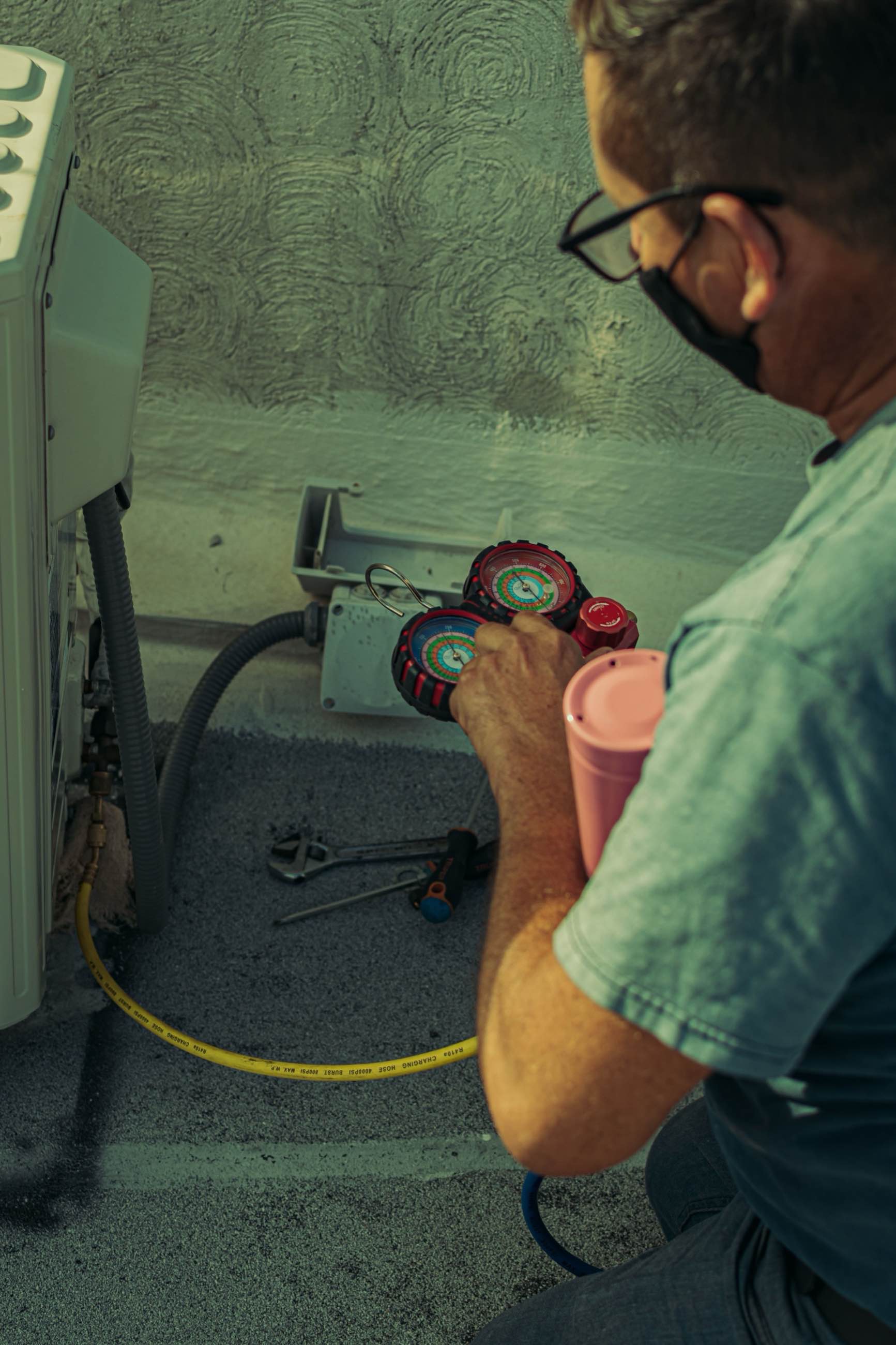
HVAC Maintenance
Seasonal visits that check the furnace before winter and the air conditioning before summer. Explore -
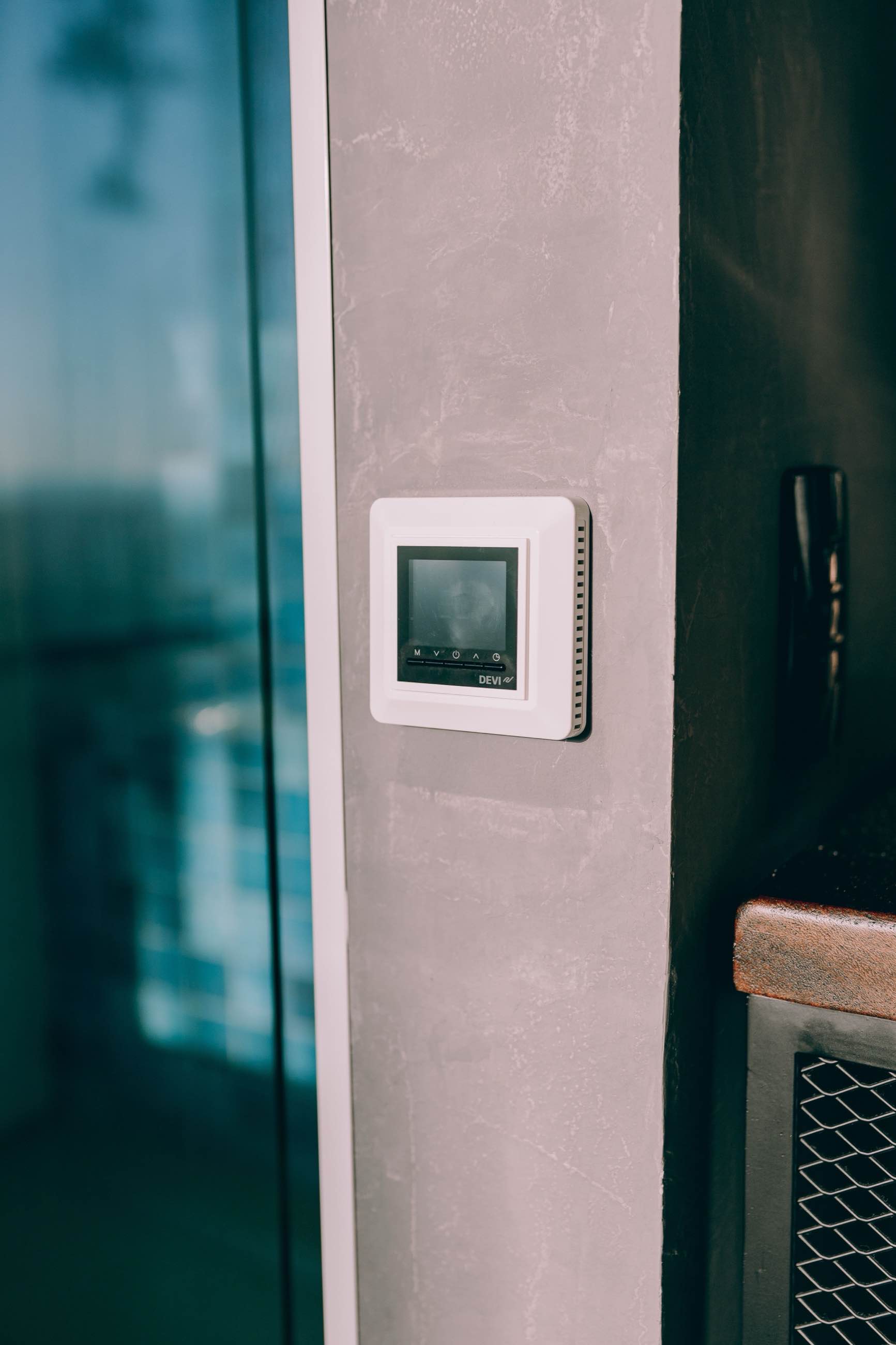
Thermostats & Home Comfort
Thermostats matched to the equipment they control, with sensors and zoning considered across the home. Explore -
Furnace Replacement & Installation
A replacement furnace selected from the home’s actual heating load, with efficiency and staging explained. Explore
Service areas
Indoor Air Quality Across Our Priority Communities
Request a visit
Ask About Indoor Air Quality.
Call and tell us what you are noticing — a furnace not heating, an AC not cooling, a thermostat or filter question, or a tune-up. Small jobs are welcome. We will help you arrange a visit.
The fastest way to reach us right now is by phone.
Call (248) 530-9315- Phone(248) 530-9315
- ServingResidential homes across Metro Detroit