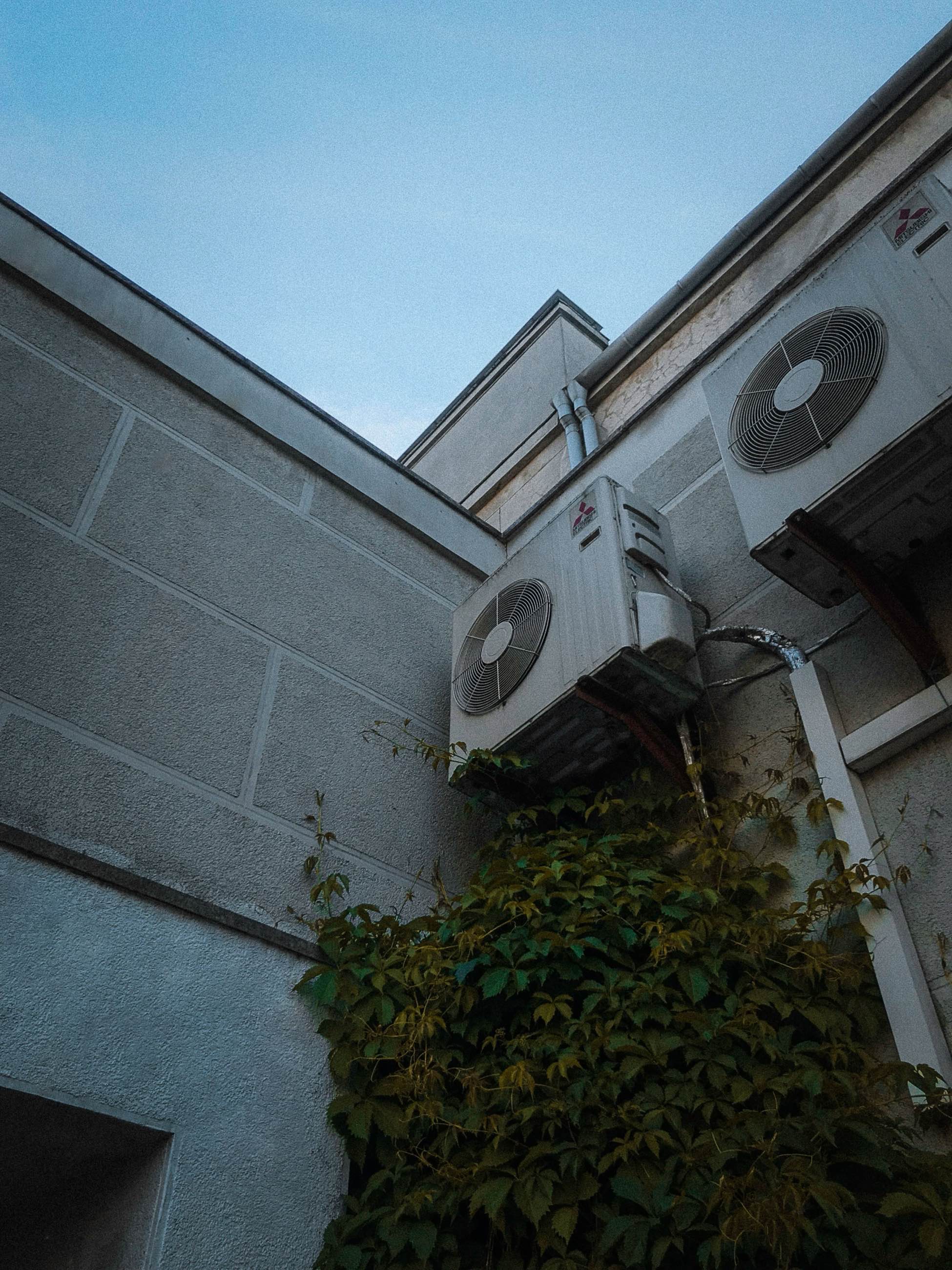
Residential heating & cooling · Metro Detroit
Central Air Conditioning Installation and Replacement
New central air sized to the home, with staging, placement and line set routing planned in advance.
Overview
AC Installation & Replacement, Explained.
Cooling a Metro Detroit home well is as much about moisture as temperature. A system that is too large for the house cools the air quickly, satisfies the thermostat and shuts off before it has removed much humidity, leaving rooms cool but clammy. Correct sizing, matched indoor and outdoor components, and sound ductwork are what make a new system feel noticeably better rather than simply newer.
Paramount approaches air conditioning installation the way it approaches heating: from the house outward. Solar gain through large windows, room orientation, ceiling heights and how upper floors behave in July all feed a cooling load calculation. The recommendation that follows covers capacity, efficiency and staging, along with practical matters that count in any home — where the condenser sits, how the line set reaches it and how quietly it runs. That care applies equally to a first-time central air installation in an older house and to a straightforward replacement.
The visit
AC Installation & Replacement: What the Visit Involves
- 01
Cooling load and comfort history
The assessment visit records how each part of the home behaves in summer, then estimates cooling load room by room. Large glazing, vaulted ceilings and finished attics are accounted for rather than averaged away.
- 02
Ductwork and airflow review
Cooling needs more airflow than heating, so supply and return capacity are evaluated and static pressure measured. Undersized returns are a common limitation and are better addressed during installation than discovered afterwards.
- 03
Placement and line set planning
The outdoor unit location, the line set route and the indoor coil are planned together. Clearances, sightlines from patios and windows, and the impact on landscaping are considered before anything is set.
- 04
Installation and verification
The line set is pressure-tested and evacuated before refrigerant is released, then charge is verified against measurements. Airflow, temperature split and condensate drainage are confirmed, and the controls are walked through with you.
Can I keep my existing indoor coil and replace only the outdoor unit?
In most cases it is not recommended. The indoor coil and outdoor condenser are designed and rated as a matched pair, and newer refrigerants operate at different pressures than older systems. A mismatched pairing may not reach its rated efficiency and can shorten equipment life. Replacing both together, with the line set evaluated and flushed or replaced as needed, gives the new system a proper foundation.
Will a larger air conditioner cool my upstairs better?
Usually not. Upstairs heat is often a matter of airflow distribution — undersized ducts, too few returns or long runs through hot attics — rather than total capacity. An oversized system cools the main floor quickly and shuts off, leaving the upper floor behind. Addressing ductwork, adding zoning or using a variable-speed system typically does more for an uneven home than adding tonnage.
Does the existing line set need to be replaced?
It depends on its size, condition and route. Line sets concealed in finished walls are often reused when they are the correct diameter and in sound condition, after flushing and pressure testing. Where the size is wrong for the new equipment, the lines are damaged, or the original refrigerant raises compatibility concerns, replacement is the better choice. The options are reviewed during the assessment visit.
How long does a central air installation take?
A straightforward replacement of an outdoor unit and matching indoor coil is commonly completed in a single day. Projects that include a new furnace, ductwork changes, a relocated condenser or a new line set routed through the home can take longer. The schedule for your project is set out during the assessment visit so you know what to expect before work begins.
Related services
Often Considered Alongside
-
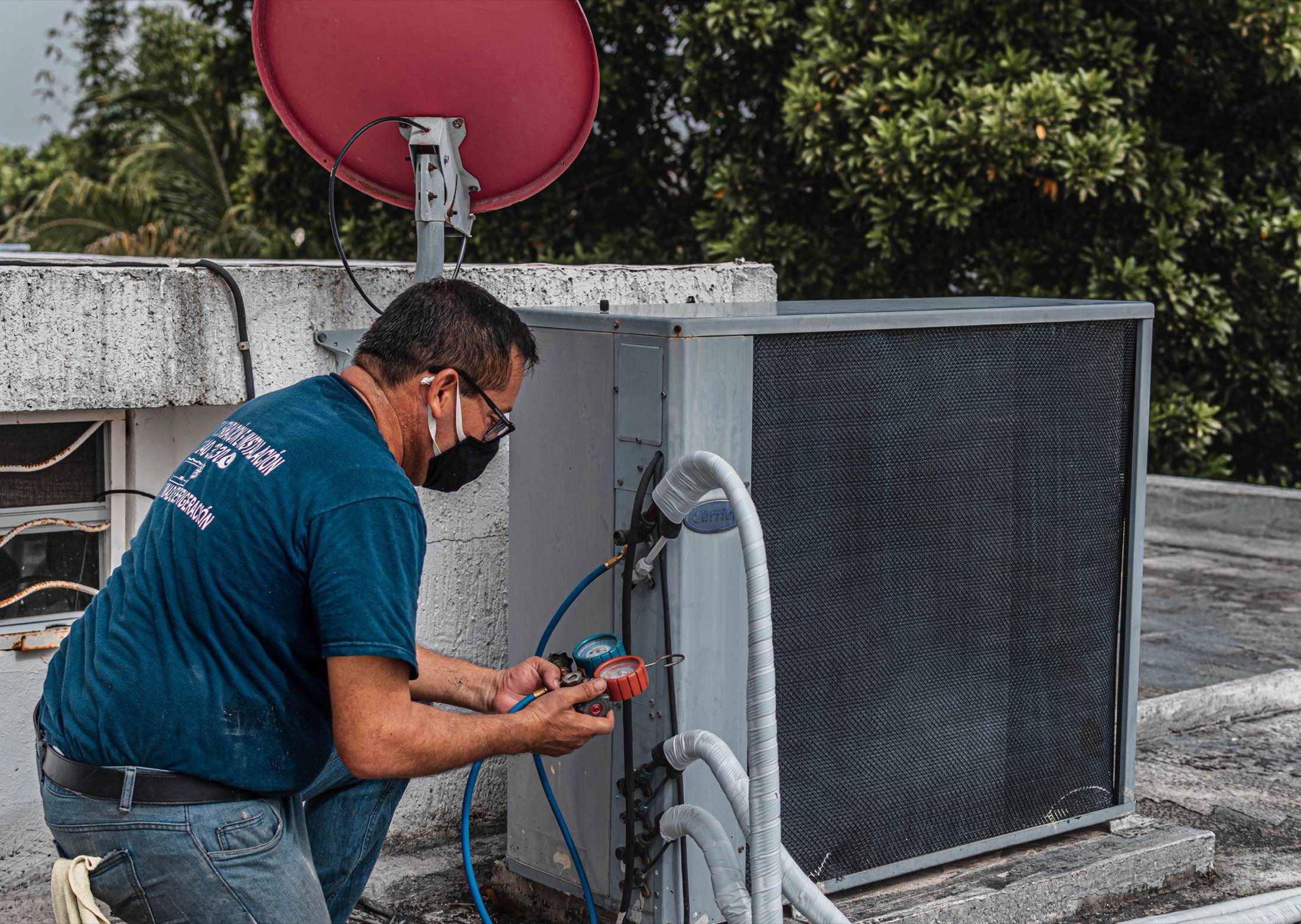
AC Repair
Warm air, a silent condenser or ice on the line set — cooling faults measured, explained and repaired. Explore -
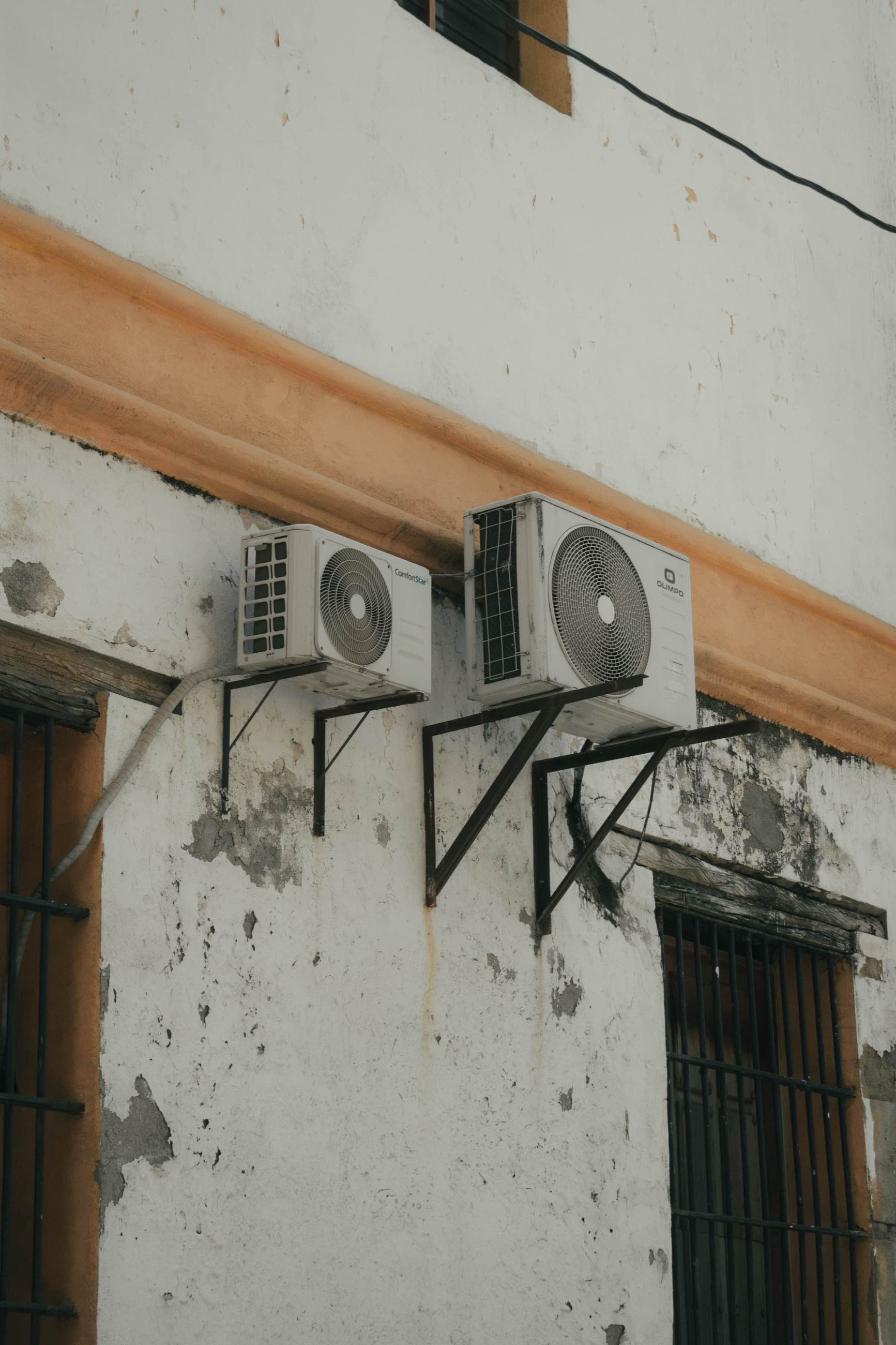
Heat Pumps
Cold-climate and dual-fuel heat pumps, explained in terms of Michigan winters rather than brochures. Explore -
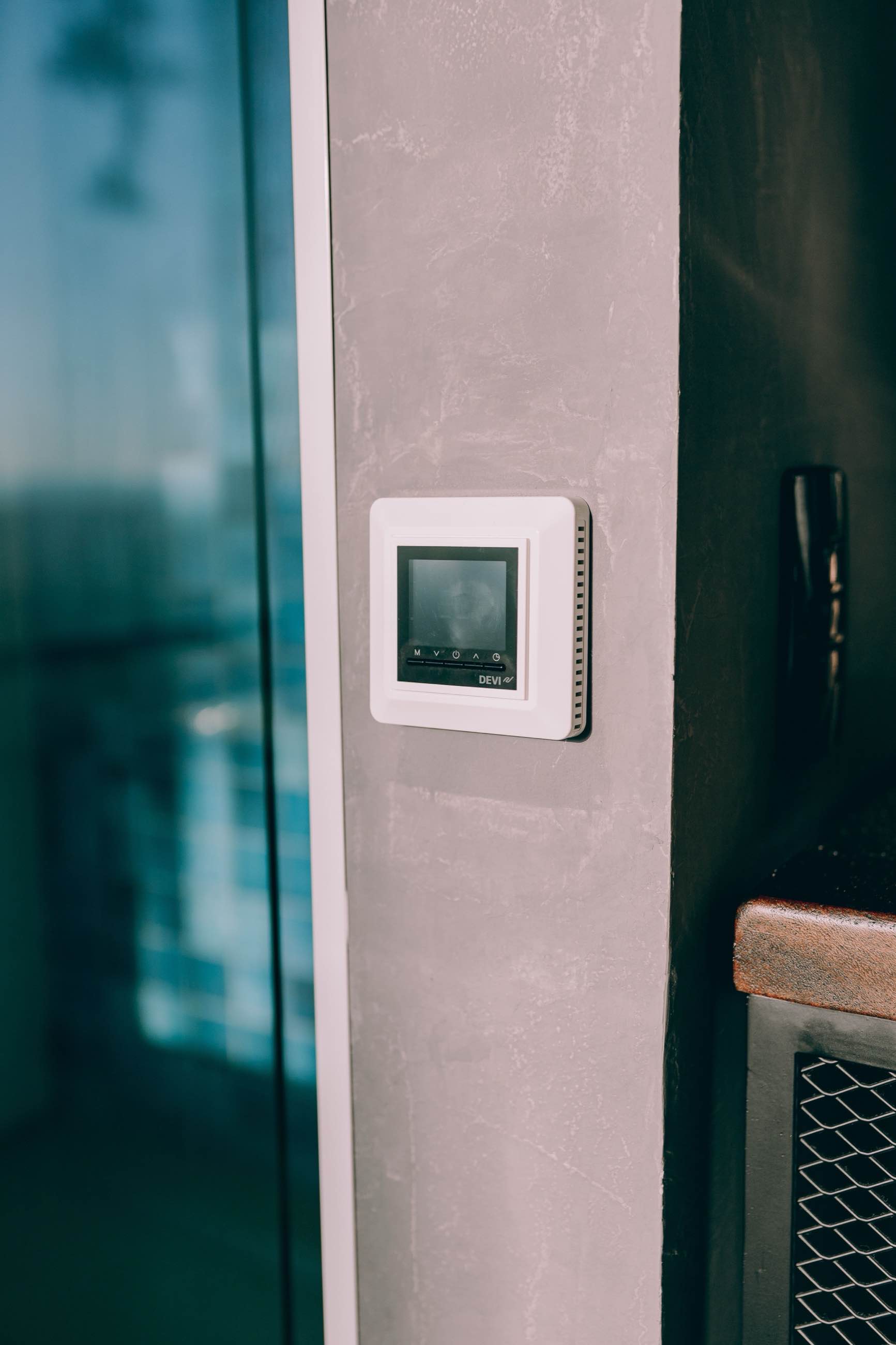
Thermostats & Home Comfort
Thermostats matched to the equipment they control, with sensors and zoning considered across the home. Explore
Service areas
AC Installation & Replacement Across Our Priority Communities
Request a visit
Ask About AC Installation & Replacement.
Call and tell us what you are noticing — a furnace not heating, an AC not cooling, a thermostat or filter question, or a tune-up. Small jobs are welcome. We will help you arrange a visit.
The fastest way to reach us right now is by phone.
Call (248) 530-9315- Phone(248) 530-9315
- ServingResidential homes across Metro Detroit