Residential heating & cooling · Metro Detroit
Heat Pumps for Michigan Homes, Including Dual-Fuel
Cold-climate and dual-fuel heat pumps, explained in terms of Michigan winters rather than brochures.
Overview
Heat Pumps, Explained.
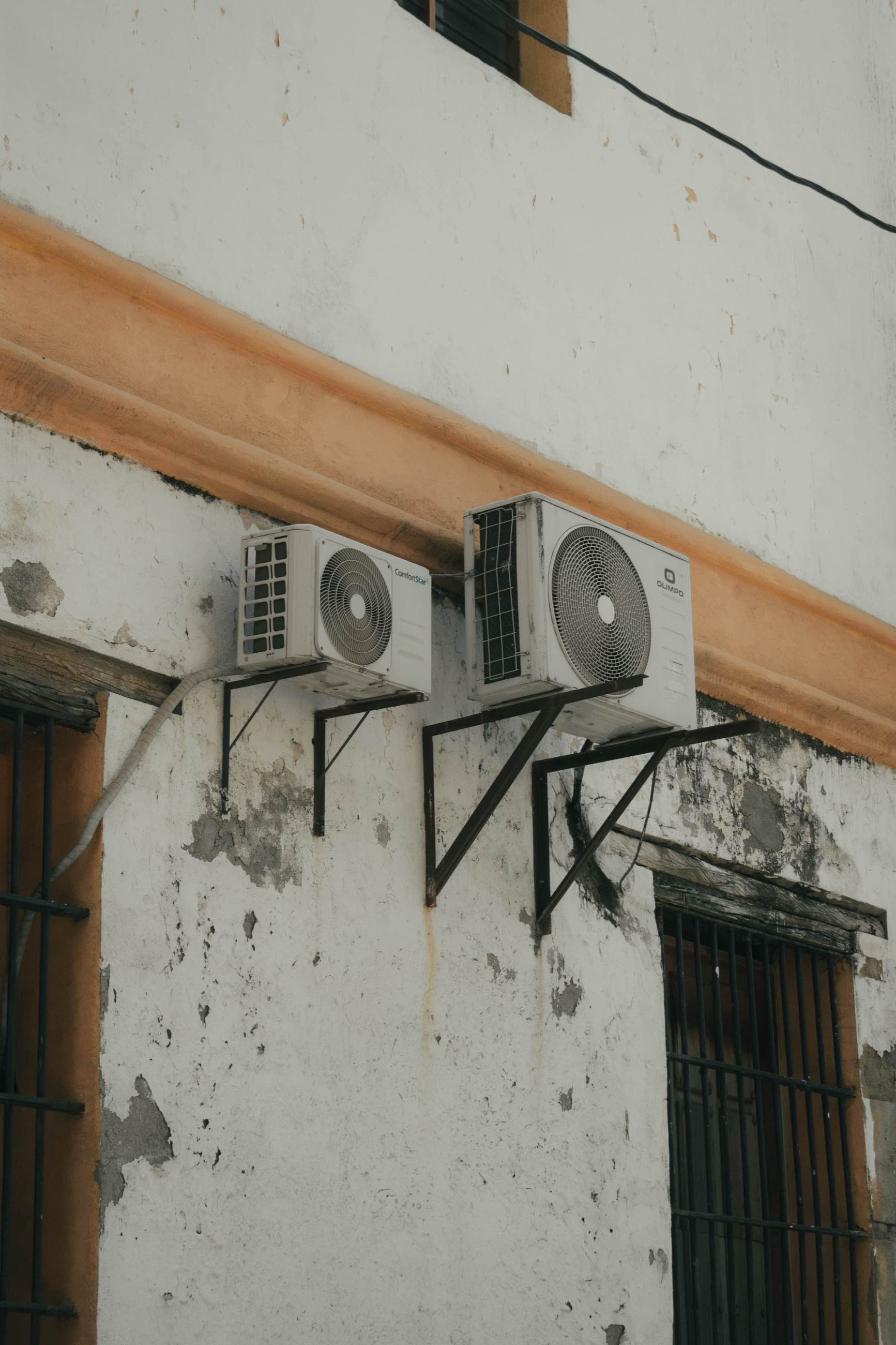
A heat pump moves heat instead of making it. In summer it works exactly like a central air conditioner. In winter the refrigerant cycle reverses, drawing heat from outdoor air and delivering it inside. Because it moves heat rather than burning fuel, a heat pump can be very efficient in mild and moderately cold weather — which, in Southeast Michigan, describes a large share of the heating season.
The question most homeowners ask is what happens on the coldest nights. Cold-climate heat pumps are designed to keep producing heat at lower outdoor temperatures than earlier generations, while many homes here pair a heat pump with a gas furnace that takes over below a chosen temperature. Paramount explains both approaches against your home’s heating load, existing equipment and priorities, without overstating what either can do.
The visit
Heat Pumps: What the Visit Involves
- 01
Heating load and winter performance
The home’s heating load is calculated and compared with heat pump capacity at low outdoor temperatures. That comparison shows how much heating the heat pump can carry alone and where backup heat will be needed.
- 02
Choosing the backup
Backup heat can come from electric resistance strips in the air handler or from an existing or new gas furnace. Each changes operating cost, comfort and wiring requirements, and each is explained with your home in mind.
- 03
Setting the balance point
With a dual-fuel system, the control decides when to switch from heat pump to furnace. That switchover temperature is discussed and configured, taking into account comfort preferences and relative energy costs.
- 04
Commissioning through both modes
After installation the system is run in cooling and heating, refrigerant charge is verified, defrost operation and auxiliary heat staging are checked, and the thermostat is set up to manage both sources properly.
Will a heat pump keep my home warm in a Michigan winter?
It depends on the heat pump and the house. Cold-climate models are designed to keep producing heat at low outdoor temperatures, though their capacity declines as it gets colder. A heat load calculation shows where that capacity falls short and how much backup heat is required. In practice, most Michigan installations include either electric auxiliary heat or a gas furnace for the coldest days.
What is a balance point in a dual-fuel system?
The balance point is the outdoor temperature at which the heat pump can no longer comfortably meet the home’s heating demand on its own, or at which the furnace becomes the more economical source. Below that temperature the control switches to the furnace. The setting can be adjusted based on comfort preference and the relative cost of electricity and natural gas.
Why does my heat pump’s outdoor unit steam in winter?
That is usually the defrost cycle. In cold, damp weather frost builds on the outdoor coil, and the system periodically reverses briefly to warm the coil and melt it, often producing a visible cloud of vapor. This is normal. Frost that does not clear, or ice building around the base of the unit, is worth having checked.
Can a heat pump work with my existing ductwork?
Often, yes. A ducted heat pump uses the same supply and return system as a furnace and air conditioner. Because heat pumps deliver air at lower temperatures over longer cycles, the ductwork needs to move adequate airflow. Static pressure and duct sizing are evaluated before recommending a heat pump, and modest return or supply improvements are sometimes worth making alongside the installation.
Related services
Often Considered Alongside
-
Furnace Replacement & Installation
A replacement furnace selected from the home’s actual heating load, with efficiency and staging explained. Explore -
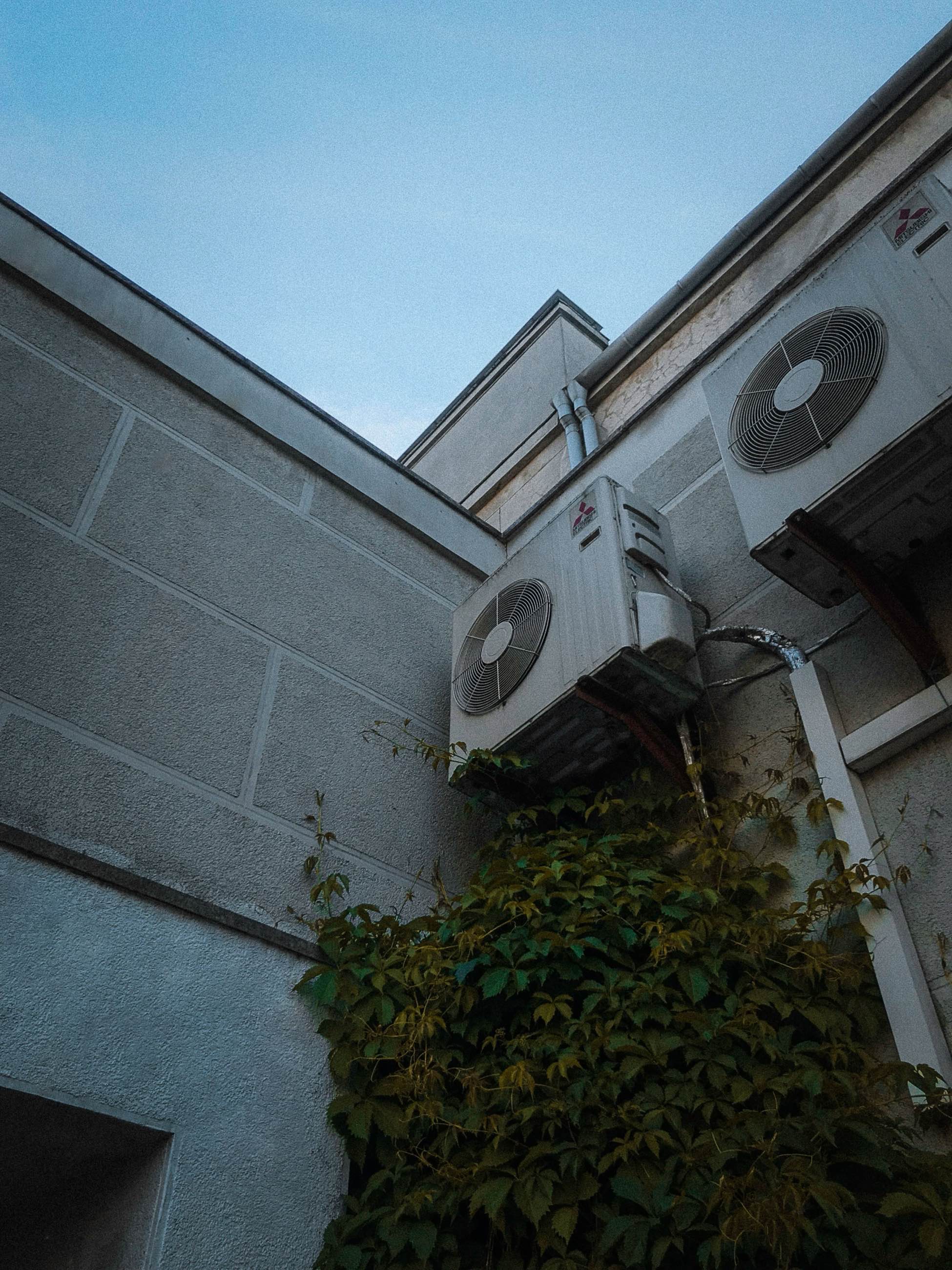
AC Installation & Replacement
New central air sized to the home, with staging, placement and line set routing planned in advance. Explore -
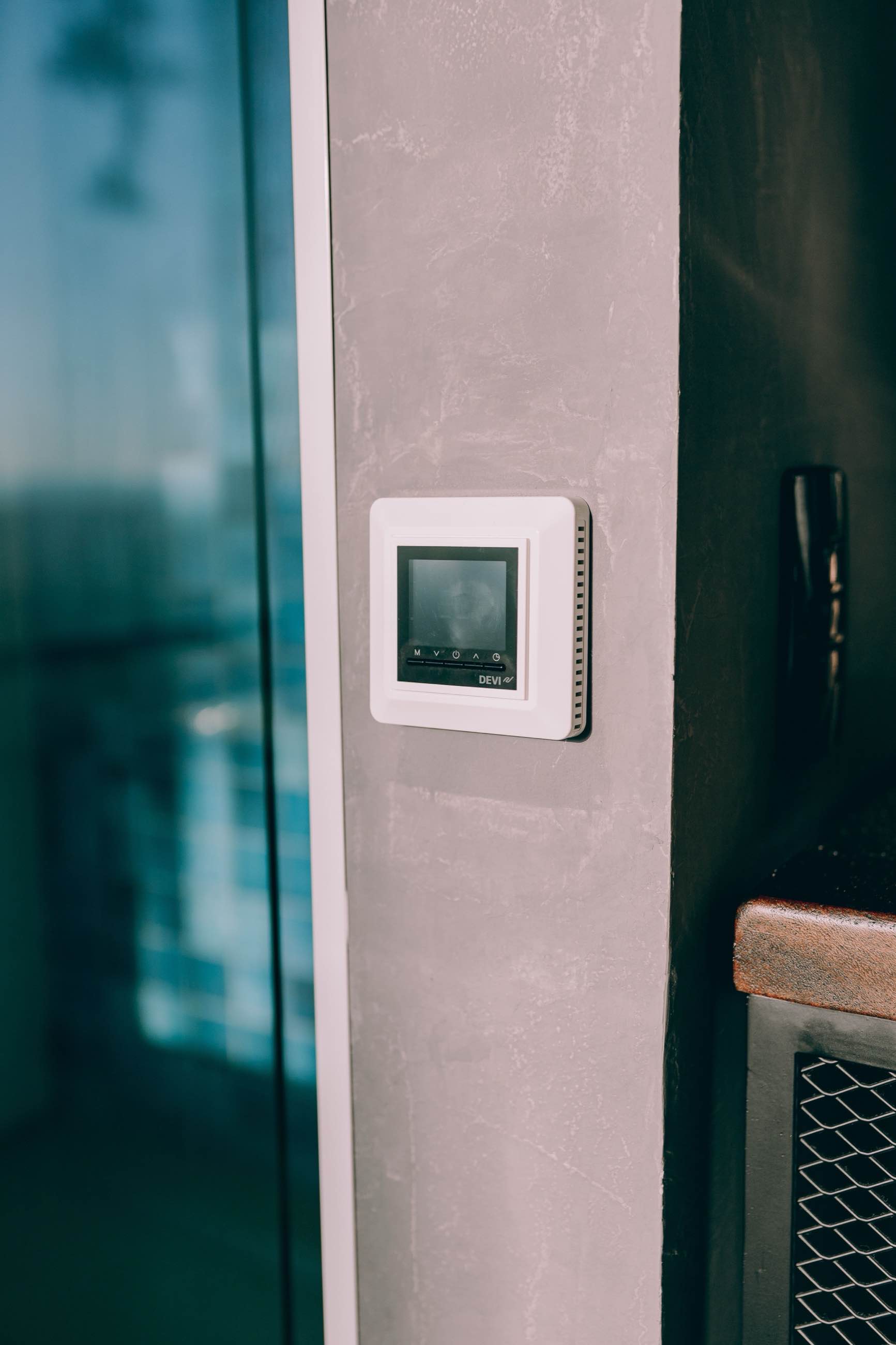
Thermostats & Home Comfort
Thermostats matched to the equipment they control, with sensors and zoning considered across the home. Explore
Service areas
Heat Pumps Across Our Priority Communities
Request a visit
Ask About Heat Pumps.
Call and tell us what you are noticing — a furnace not heating, an AC not cooling, a thermostat or filter question, or a tune-up. Small jobs are welcome. We will help you arrange a visit.
The fastest way to reach us right now is by phone.
Call (248) 530-9315- Phone(248) 530-9315
- ServingResidential homes across Metro Detroit