
Oakland County · Residential heating & cooling
Indoor Air Quality in Orchard Lake Village
Indoor air quality in Orchard Lake Village — heating and cooling repairs, tune-ups and replacements, done carefully.
Orchard Lake Village
Comfort for Orchard Lake Village Homes.
Orchard Lake Village surrounds Orchard Lake, and life here is closely tied to the water. That proximity brings humid summer air, lower levels that open to the shoreline and homes sealed against winter for months at a time. Each of these affects the quality of the air inside the house as much as its temperature.
Paramount Heating & Cooling looks at indoor air quality in Orchard Lake Village as a question of balance: enough moisture in winter, not too much in summer, and air that is filtered and refreshed without wasting the energy already spent heating or cooling it. Whether the home is right on the shore, set back from the water or a newer build, the recommendations follow from what the house actually needs, explained in plain language.

Indoor air quality in Orchard Lake Village
Humidity, filtration and fresh air for lakeside homes
Indoor air quality work begins with understanding the house: where moisture collects, how air moves between floors, what the current filtration captures and how the home is ventilated. A short assessment, including humidity readings in different rooms, usually shows which issue matters most.
From there, the options are matched to the problem. Dehumidification can steady a damp lower level in summer, humidification can ease dry winter air, upgraded filtration can capture more fine particles, and balanced ventilation can bring in fresh air while limiting energy loss. Each recommendation is explained with its purpose and its upkeep, so nothing is added without a reason.
About Indoor Air Quality- 01
Humidity checked room by room, including lower levels near the shoreline
- 02
Summer dehumidification and winter humidification considered together
- 03
Filtration matched to the existing system’s airflow
- 04
Ventilation options discussed for tighter, well-sealed homes
Services in Orchard Lake Village
Most Requested in Orchard Lake Village
-
Indoor Air Quality
Humidity control, filtration and ventilation specified from readings taken in the home itself. Explore -
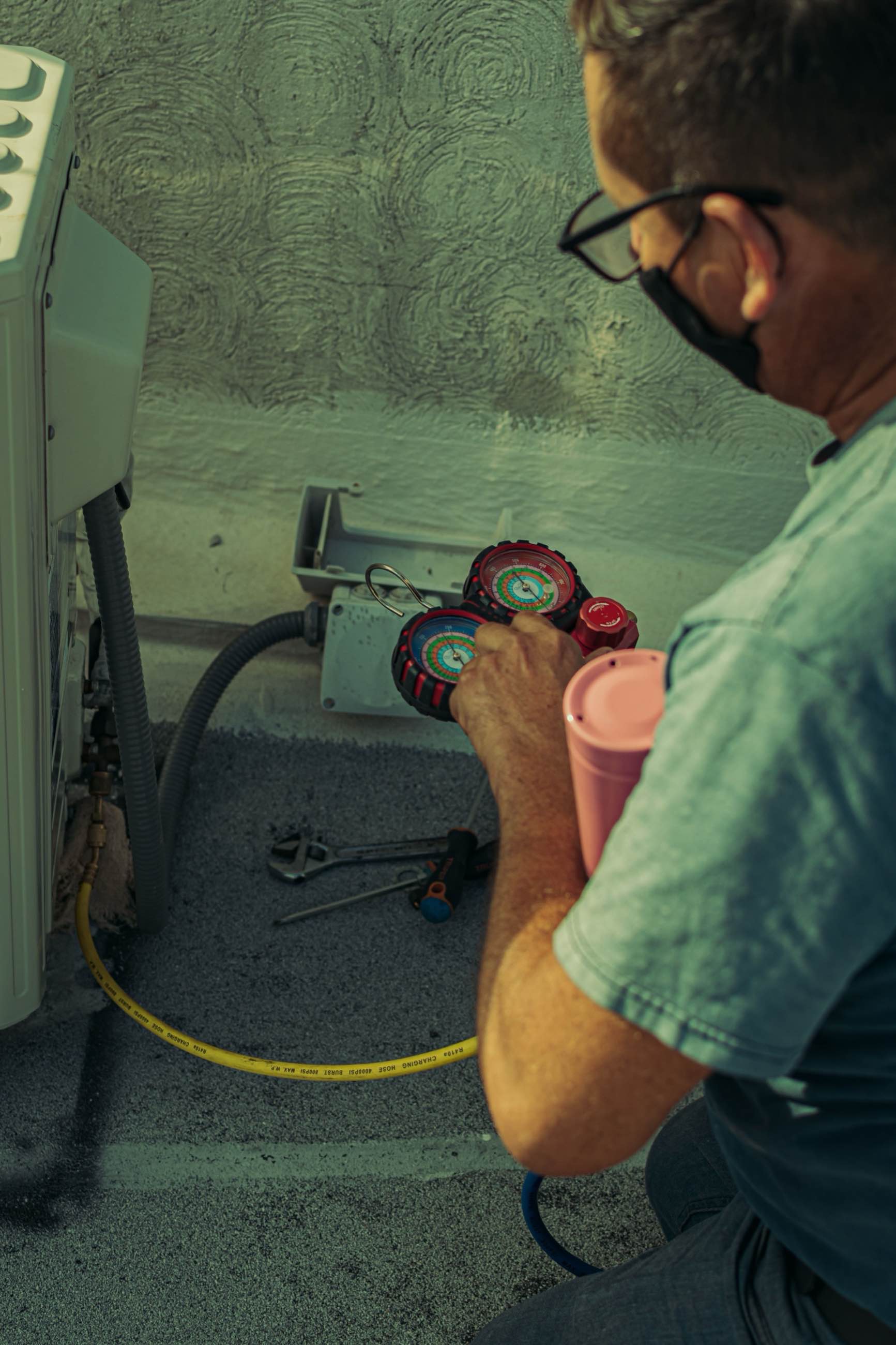
HVAC Maintenance
Seasonal visits that include filters, condensate drains and humidifier checks, all relevant to air quality. Explore -
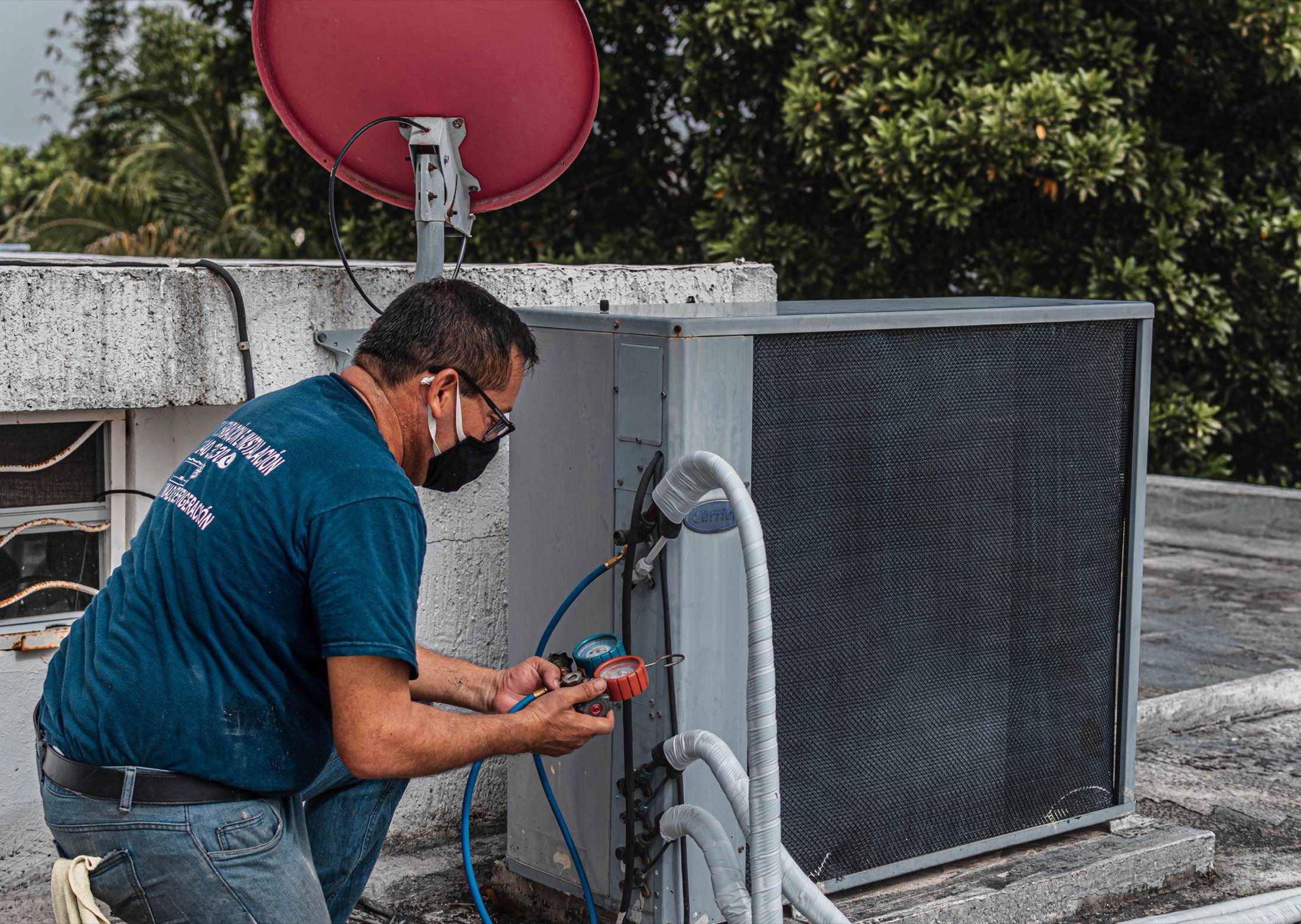
AC Repair
Diagnosis when cooling no longer removes enough moisture, often a sign of an airflow or charge issue. Explore -
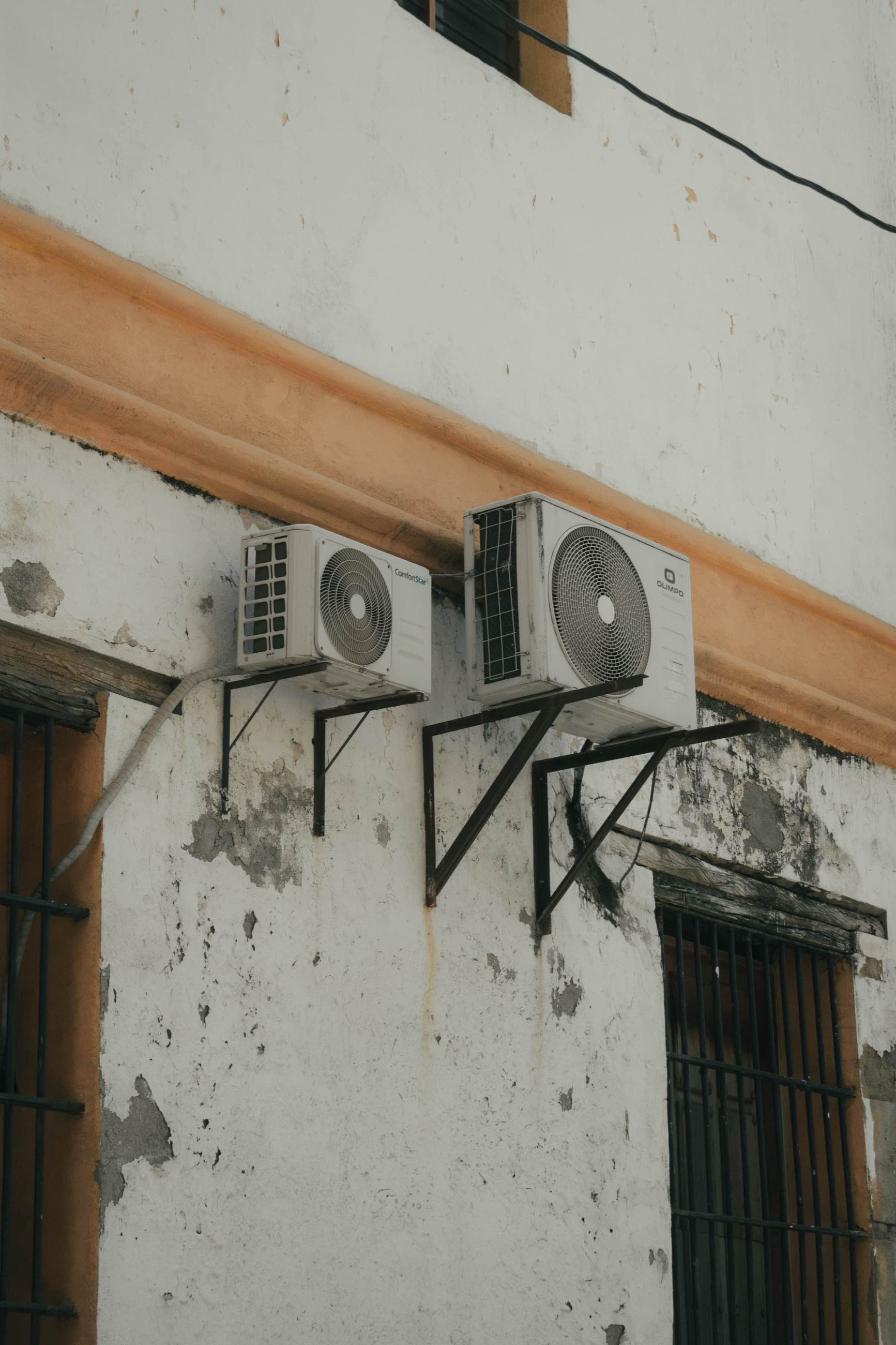
Heat Pumps
Heat pumps provide cooling with dehumidification and efficient heat in milder weather; suitability depends on the home. Explore
Also available: AC Installation & Replacement , Thermostats & Home Comfort , Furnace Repair , Furnace Replacement & Installation.
Why does our lower level feel damp in summer even with the AC running?
Lower levels, particularly walkouts facing the lake, often receive less conditioned air than the floors above and stay cooler, which allows relative humidity to climb. The air conditioner may be satisfying the thermostat upstairs without running long enough to dry the space below. A dedicated or whole-home dehumidifier, or adjustments to airflow, may help.
Is dry winter air something an HVAC system can address?
Yes, in many homes. A humidifier attached to the furnace can add moisture to heated air, and its settings can be adjusted as outdoor conditions change to avoid condensation on windows. The right approach depends on the system and the house, so a check of the existing equipment comes first.
Will a better filter improve our indoor air?
A higher-grade filter can capture finer particles, but it must suit the system. Some furnaces and air handlers cannot move enough air through a very dense filter, which reduces comfort and strains the blower. A media cabinet with a deeper filter is often a better route. The existing airflow should be checked before any change is made.
Our home is well sealed. Does it need mechanical ventilation?
It may be worth considering. A tighter house holds heat well but can also retain odors, moisture and stale air. Balanced ventilation brings in fresh outdoor air while exhausting indoor air, and some designs recover heat in the process. Whether it suits your home depends on how tight it is and how it is used, which an assessment can clarify.
Also nearby
Nearby Communities
Request a visit
Request a Visit in Orchard Lake Village.
Call and tell us what you are noticing — a furnace not heating, an AC not cooling, a thermostat or filter question, or a tune-up. Small jobs are welcome. We will help you arrange a visit.
The fastest way to reach us right now is by phone.
Call (248) 530-9315- Phone(248) 530-9315
- ServingResidential homes across Metro Detroit